
Not every relocation is a clean, single-day handover from one home to the next. In reality, there's often a gap — a possession date that doesn't align, a home renovation that needs to be completed before you move in, a posting abroad for 6 months before a permanent settlement, or a home sale that completed before the new purchase is ready.
In all of these scenarios, secure storage bridges the gap. But choosing the wrong storage facility can be as stressful as a bad move. This guide explains exactly what to look for in a storage provider, when short-term vs. long-term storage makes sense, and how to protect your goods throughout the storage period.
When Does Storage Make Sense During a Move?
Storage isn't just for unusual circumstances. Here are the most common scenarios where storage is the smartest solution:
Misaligned Moving Dates
Your old home handover is on the 1st but possession of the new home isn't until the 15th. Storage bridges the two-week gap without expensive double-moves.
Home Renovation Before Moving In
New home needs painting, flooring, or structural work before you can live in it. Store your goods safely and move in once work is complete.
Expat & NRI Assignments
Moving abroad for 1–2 years? Store household goods in India rather than shipping everything internationally and back.
Downsizing Between Homes
Moving to a smaller home temporarily or permanently. Store furniture and belongings that won't fit while you decide what to keep long-term.
Office Relocation Buffer
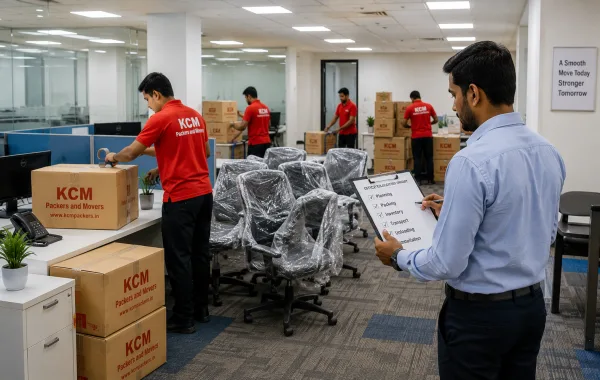
Between vacating the old office and occupying the new one — store all assets, furniture, and IT equipment during the transition.
Home Sale — Staging Period
Declutter and store excess furniture to stage your home for sale. A cleaner, more spacious appearance consistently achieves better sale prices.
Short-Term vs. Long-Term Storage: Which Do You Need?
The distinction matters both for pricing and for the type of facility that's most suitable for your goods.
| Factor | Short-Term (1 week – 3 months) | Long-Term (3 months – 2+ years) |
|---|---|---|
| Best for | Between-move gaps, renovations, staging | NRI/expat storage, business inventory, downsizing |
| Billing model | Daily / weekly / monthly rates | Monthly with quarterly/annual discounts |
| Access frequency | Frequent or on-demand | Infrequent — quarterly or annual retrieval |
| Climate control | Standard zones adequate | Climate control recommended for wood, electronics |
| Insurance | Basic transit cover minimum | Comprehensive all-risk cover recommended |
| Cost | Higher per-day rate, no minimum | Best per-day rate with commitment discount |
10 Things a Good Storage Facility Must Have
Not all warehouses are equal. Here is what separates a genuinely secure, professional storage facility from a converted godown with a padlock:
Every zone — entrance, storage areas, loading bays — should be covered by HD cameras monitored continuously. Ask how footage is stored and for how long.
Entry to storage areas should be restricted to authorised personnel only. Open-access warehouses where anyone can walk in are a significant security risk.
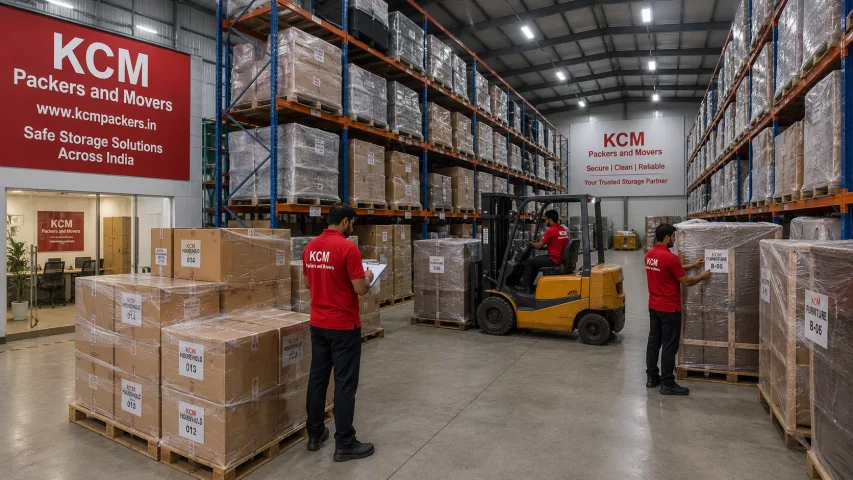
Goods stored directly on warehouse floors are exposed to moisture, flooding risk, and pressure damage. Industrial racking systems keep goods elevated and separated.
Regular, documented pest control treatments are essential — particularly for wooden furniture, fabric, and paper goods in long-term storage.
Smoke detectors, sprinkler systems, and fire extinguisher stations distributed throughout the facility. Verify the last fire safety inspection date.
Important for electronics, wooden furniture, artwork, documents, and leather goods. Temperature and humidity fluctuations cause irreversible damage over months.
Every item should be catalogued on arrival. You should receive a digital inventory report confirming what has been accepted into storage.
The facility should offer or facilitate comprehensive goods insurance. If they don't mention insurance at all, treat it as a red flag.
You should be able to schedule access to your stored goods with reasonable notice. Understand the process, costs, and timelines upfront.
No hidden fees. Understand exactly what is included in the storage rate — is insurance extra? Is delivery charged separately? Get it in writing.
How to Prepare Your Goods for Storage
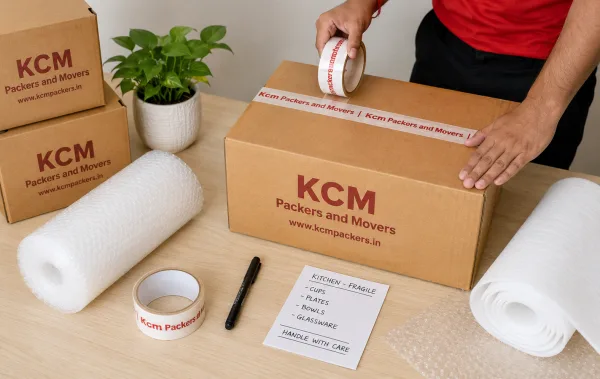
Proper preparation significantly affects the condition of goods when they come out of storage, especially for long-term periods.
Pre-Storage Preparation Checklist:
Common Storage Mistakes to Avoid
The most costly mistake. A single fire, flood, or theft incident in an uninsured storage facility can result in total loss with no recourse.
Plastic traps moisture and causes mould in wooden furniture, fabrics, and leather. Use breathable materials for any storage exceeding 2 months.
Food, plants, flammable liquids, chemicals, and illegal items are prohibited in professional warehouses — for good reason.
The cheapest storage facility is almost always the least secure. Saving ₹500/month is not worth losing ₹5 lakhs worth of goods.
Document the condition of every item going into storage, especially for long-term periods. This protects both you and the storage provider.
KCM Warehousing: Purpose-Built for Every Storage Need
Our warehousing and storage service at KCM Packers and Movers meets every standard outlined in this guide. CCTV-monitored, biometric access, industrial racking, climate-controlled zones, pest control, and full insurance — available for periods from 7 days to 5+ years.
Every item is catalogued on arrival, stored on racking systems, and available for scheduled retrieval or redelivery. Our digital inventory system means you always know exactly what you have in storage and in what condition it was accepted.
We also integrate storage seamlessly with our household relocation and office relocation services — so if your new premises isn't ready, we store your goods and deliver them when you are. One provider, one point of contact, zero coordination headaches.